
Morocco’s 2030 World Cup Rail Revolution: 168 New Trains
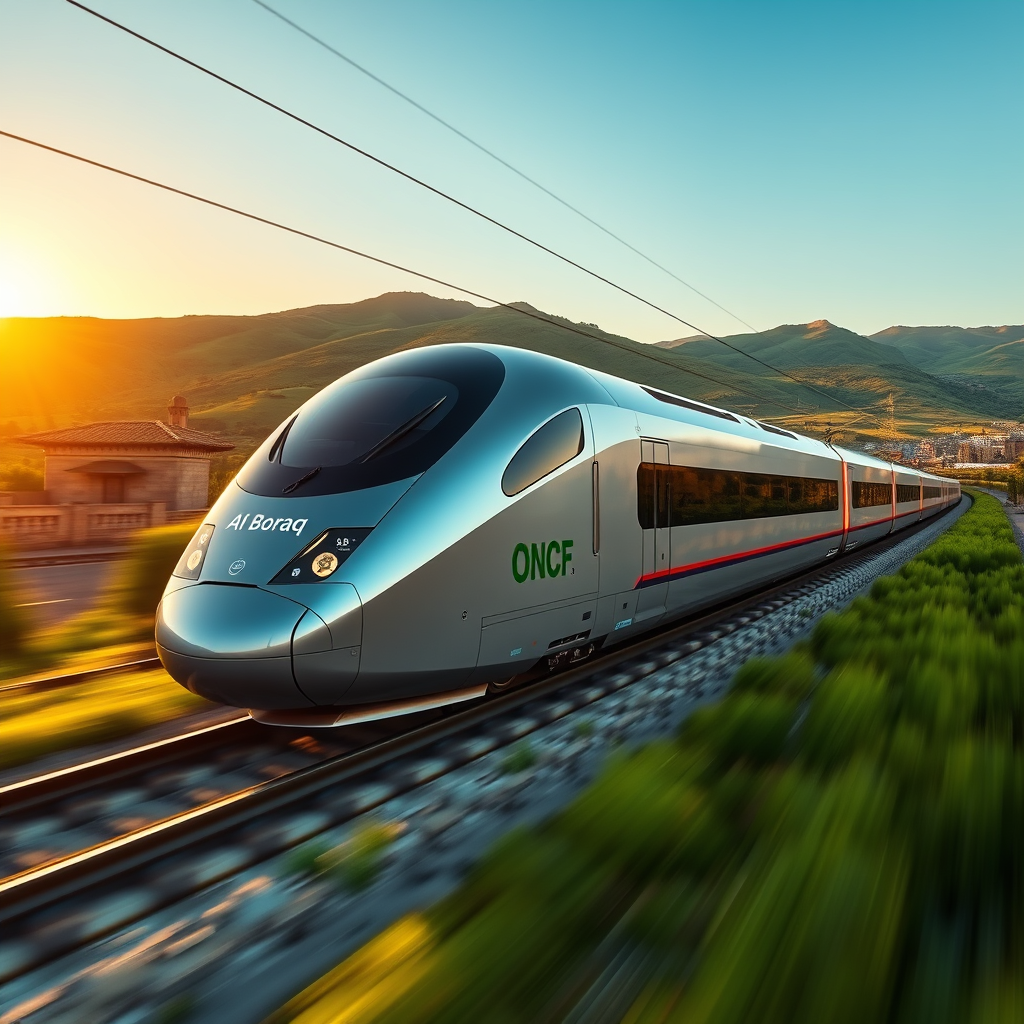
Morocco’s Ambitious Rail Expansion in Preparation for the 2030 World Cup
Morocco’s hosting of the 2030 FIFA World Cup (alongside Spain and Portugal) has spurred a significant investment in its national railway infrastructure. This article delves into the details of Morocco’s ambitious rail expansion plans, focusing on the recent tender for 168 new trains and the broader context of its railway modernization efforts. The planned upgrades encompass not only the acquisition of new rolling stock but also the expansion of existing high-speed lines and the integration of intelligent transportation systems (ITS). This initiative aims to alleviate concerns regarding the adequacy of Morocco’s transport infrastructure to support the influx of visitors and athletes anticipated during the World Cup, while also positioning the country as a regional leader in modern rail transportation. This analysis will explore the scale of this undertaking, its technological implications, and its potential impact on Morocco’s overall economic development.
A Significant Investment in Rolling Stock
The Office National des Chemins de Fer (ONCF), Morocco’s national railway company, has announced a substantial tender for the procurement of 168 new trains. This AED16 billion ($1.59 billion) investment represents a significant commitment to improving the country’s rail capacity and efficiency. The order includes 150 trains for various services—Intercity, Rapid Shuttle, and Mass Transit—and 18 additional trains dedicated to extending high-speed rail lines. This procurement demonstrates a clear focus on upgrading both the capacity and the quality of rail services across different segments of the Moroccan railway network. The addition of new rolling stock will directly address current capacity limitations and improve the overall passenger experience.
Expanding High-Speed Rail Network
A key component of Morocco’s rail expansion involves the further development of its high-speed rail network. The Al-Boraq high-speed line, inaugurated in 2018, currently connects Casablanca to Tangier. The planned expansion of this line is crucial for connecting major cities and facilitating efficient travel during the World Cup. This expansion not only enhances passenger transport capabilities but also contributes to broader economic development by improving connectivity between regions. The enhanced high-speed network aims to facilitate faster and more efficient travel for both domestic and international visitors, reducing travel times and improving overall accessibility.
Addressing Infrastructure Concerns and Regional Competition
Morocco’s ambitious rail development is partly driven by the need to address concerns raised about its transport infrastructure’s readiness for the 2030 World Cup. While initially deemed “high risk” in the accommodation and transport category during the 2026 bid, the current investments are a clear response to those concerns. This upgrade is not only crucial for the World Cup but also positions Morocco as a competitor to other North African nations, particularly Egypt, which boasts a substantial and expanding rail network. Egypt’s National Authority for Tunnels (NAT) is undertaking a massive high-speed rail project, creating a “Suez Canal on tracks.” This underscores the growing regional competition in modernizing railway infrastructure and attracting investment in the sector. Morocco’s aggressive expansion strategy is clearly aimed at catching up and potentially overtaking Egypt’s current dominance in North Africa’s rail sector.
Conclusions: A Transformative Investment in Morocco’s Future
Morocco’s decision to invest heavily in its railway system, particularly in light of the 2030 World Cup, signals a long-term commitment to infrastructure development and economic growth. The procurement of 168 new trains, coupled with the planned expansion of the Al-Boraq high-speed line, represents a significant step towards modernizing the country’s transport sector. This initiative addresses previous concerns regarding the capacity and readiness of Morocco’s infrastructure while simultaneously fostering competition with other regional players such as Egypt. The increased rail capacity and improved connectivity will not only enhance the passenger experience but also contribute significantly to economic development by improving inter-city linkages and boosting tourism. The successful execution of this ambitious project will significantly enhance Morocco’s global competitiveness, solidify its position as a regional leader in transportation, and leave a lasting legacy beyond the 2030 World Cup. The strategic investment underscores Morocco’s commitment to building a sustainable and efficient transportation system capable of supporting its future growth and development, cementing its position within the global rail industry. Furthermore, the successful implementation of this project will serve as a model for other developing nations seeking to modernize their transport infrastructure and stimulate economic activity.
RELATED POSTS
April 1, 2026 12:10 pm
Alstom secured a €410 million contract from CFR SA to...

April 1, 2026 4:31 pm
Network Rail upgraded Berrylands station platforms for £6 million, replacing...
April 1, 2026 6:21 pm
Federal Transit Administration awarded $20.6 billion in formula-based apportionments to...