
Ukraine’s Railways: A Global Lifeline
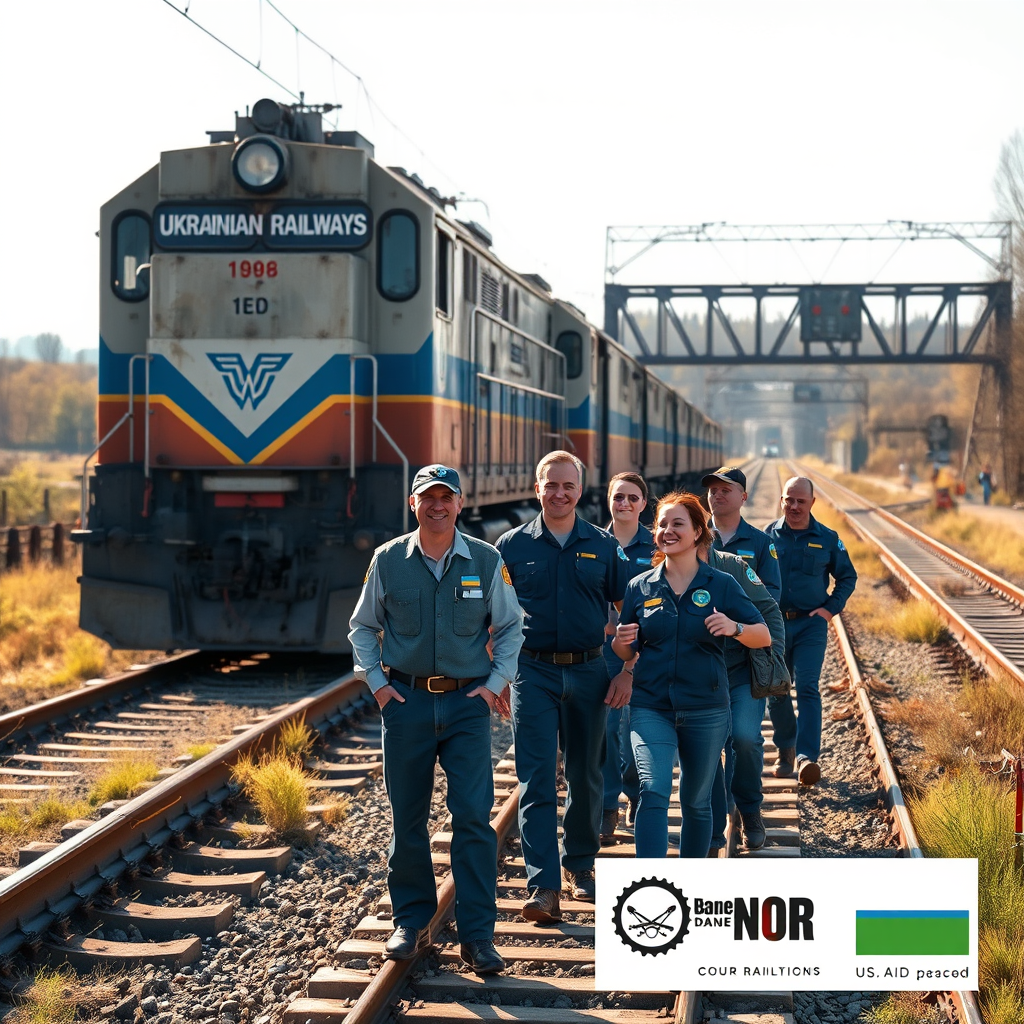
Supporting Ukraine’s Railway System: An International Effort
This article examines the crucial role international collaboration plays in sustaining Ukraine’s railway network amidst ongoing conflict. The focus will be on the Global Ukraine Rail Task Force (GURTF), a vital initiative spearheaded by ALLRail (Association of the European Railway Companies) to provide humanitarian aid and support the operational resilience of Ukrainian Railways (UZ). We will explore the GURTF’s activities, its impact, and the wider international response to the challenges faced by the Ukrainian railway system. The article will delve into the significance of this support, not only for the immediate needs of railway workers and their families, but also for the long-term sustainability of Ukraine’s transportation infrastructure and its vital role in the nation’s economy and defense. The scale of the humanitarian crisis and the strategic importance of maintaining a functional railway system in a war-torn country will be highlighted, emphasizing the collective effort required to ensure its continued operation. The discussion will also touch upon the various forms of support provided, encompassing both financial contributions and collaborative problem-solving. The need for sustained international engagement, going beyond immediate aid to long-term infrastructure development and capacity building, will be stressed.
The Global Ukraine Rail Task Force: A Lifeline for Ukrainian Railways
Established in 2022 following the commencement of the Russian invasion, the GURTF, led by ALLRail, has emerged as a key player in providing crucial support to UZ. The task force comprises a diverse coalition of railway companies and organizations from across Europe, including Rail Partners (UK), Bane NOR (Norway), and Swedish Railways. Their collective efforts have channeled significant resources to assist UZ in maintaining its operations, ensuring the transportation of both passengers and essential freight. The GURTF’s actions extend beyond mere financial aid; they involve strategic partnerships, knowledge sharing, and technical assistance to address the unique operational challenges faced by UZ under duress. The significant financial contributions demonstrate the international railway community’s commitment to supporting Ukraine’s crucial rail infrastructure.
Humanitarian Aid and the Well-being of Railway Workers
A core focus of the GURTF’s activities has been providing direct humanitarian assistance to UZ employees and their families. The recent €130,000 donation, the largest single contribution to date, facilitated the procurement of essential food packages. This underscores the organization’s commitment to addressing the immediate needs of railway workers who continue to operate under extremely challenging circumstances. This support is not only vital for the well-being of individuals but also crucial for maintaining morale and ensuring the continued operation of UZ. The provision of basic necessities allows railway workers to focus on their critical roles, sustaining the movement of people and goods throughout the country.
Supporting Operational Resilience and Infrastructure Development
Beyond humanitarian aid, the GURTF’s efforts encompass broader support for UZ’s operational resilience. This includes technical assistance, collaboration on strategic planning, and facilitating the sharing of best practices. Maintaining a functional railway network is paramount to Ukraine’s economy and national security, given its role in the transportation of both people and vital goods. International collaboration in this sphere is crucial for addressing the ongoing damage to infrastructure and ensuring the continued flow of essential supplies. The long-term sustainability of UZ requires continued investment and support from the international community to rebuild damaged infrastructure and enhance its operational capabilities.
A Broader International Response: Collaboration and Investment
The GURTF’s activities represent one facet of a wider international effort to support Ukraine’s railway system. Other organizations, such as the United States Agency for International Development (USAID), have contributed substantial funding towards infrastructure projects. USAID’s recent $225 million investment in constructing a new rail segment exemplifies the significance placed on maintaining Ukraine’s transportation arteries. These collaborative efforts demonstrate a collective commitment to supporting Ukraine’s national resilience and ensuring its long-term economic recovery. The continued cooperation and investment are essential for securing a sustainable future for Ukraine’s railway system.
Conclusion
The Global Ukraine Rail Task Force’s efforts, coupled with wider international assistance, demonstrate a significant commitment to supporting Ukraine’s railway system amidst ongoing conflict. The GURTF’s actions, which include substantial financial donations for humanitarian aid and collaborative efforts to maintain operational resilience, highlight the importance of international cooperation in addressing the challenges faced by UZ. The €130,000 donation for food packages for rail workers and their families is a testament to the humanitarian focus, while the overall contribution underscores the strategic importance of maintaining a functional railway network. The combined efforts of the GURTF and other international partners, such as USAID’s substantial investment in infrastructure projects, illustrate a collective commitment towards Ukraine’s long-term recovery. The success of these initiatives depends on sustained international engagement, going beyond immediate humanitarian needs to encompass long-term infrastructure development, capacity building, and knowledge sharing. This sustained support is not merely a matter of humanitarian concern, but also a vital element in preserving Ukraine’s economic stability, national security, and overall resilience in the face of adversity. The future of Ukraine’s railway network and its capacity to serve the country’s essential needs hinges on the continued collaboration and investment from the global railway community and international development partners.
RELATED POSTS
Union Pacific earned an 80% top Class I railroad intermodal...

March 6, 2026 12:10 pm
Consortium Announces Digital Services Platform for UK Rail Sector A...
March 5, 2026 7:57 pm
Banedanmark launched battery train operations on Denmark's 67 km Skjern–Holstebro...
March 4, 2026 10:12 am
Amtrak and Siemens deploy 8 Airo trains for the U.S....
March 6, 2026 4:07 pm
Digital Subscription Market Analysis Q1 2026 Analytics firm Antenna confirmed...
March 5, 2026 4:23 am
Renfe suspends Spain rail services on Madrid-Andalusia corridor until February...