
UK Rail’s Net-Zero 2050 Plan: Electrification, BEMUs & More
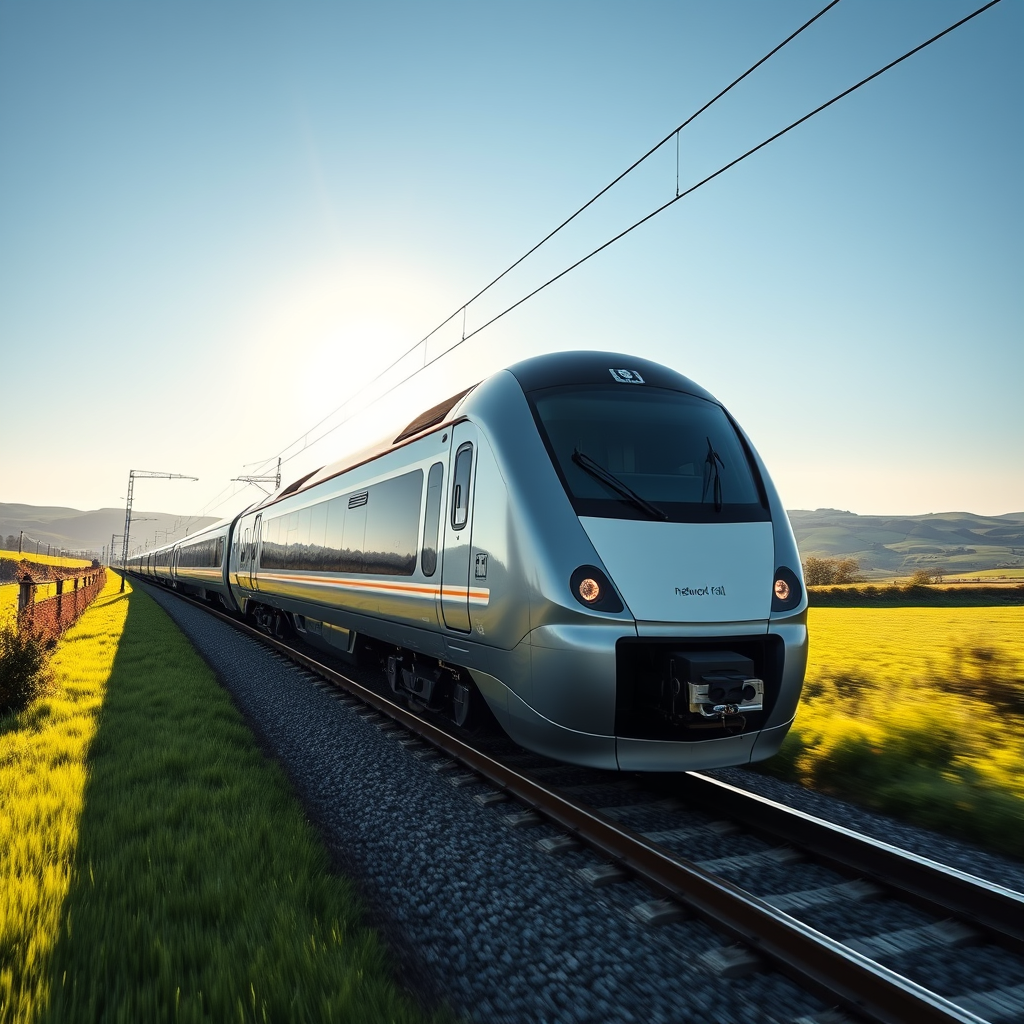
A Pathway to Net-Zero Rail in the UK by 2050: A Strategic Approach
The UK’s railway network faces a significant challenge: achieving net-zero emissions by 2050. This article explores the Rail Industry Association’s (RIA) proposed strategy, focusing on a three-pronged approach to decarbonization. The plan emphasizes strategic electrification of the rail network, coupled with the timely procurement of Battery Electric Multiple Units (BEMUs) to replace aging diesel fleets. It further suggests leveraging battery-electric locomotives on less intensively used lines, creating a comprehensive “track and train” strategy. The RIA’s proposal aims not only to reduce emissions but also to stimulate economic growth within the UK rail manufacturing sector and enhance the overall efficiency of the rail system. This will require careful consideration of projected passenger growth and proactive government policies to incentivize investment and planning. The success of this strategy hinges upon coordinated efforts between government agencies, rail operators, and manufacturers to ensure timely implementation and efficient resource allocation.
Electrification: A Cornerstone of Decarbonization
The RIA’s strategy centers on significantly expanding the electrified portion of the UK rail network. Currently, approximately one-third of the network is electrified. The RIA proposes electrifying another third, including an additional 15% beyond the government’s current target of 51% electrification by 2050. This increased electrification, combined with the deployment of BEMUs on the remaining lines, would effectively decarbonize all passenger services and 95% of freight services by the target date. This approach utilizes the well-established efficiency and lower emissions of electric traction compared to diesel. The significant cost savings in operational expenditure achievable through electrification should offset the initial investment costs over the operational lifetime of the railway assets, enhancing the long-term economic viability and sustainability of the system. This phased approach ensures the railway’s continued operational ability during the upgrade works and minimizes disruption to rail services.
Modernizing Rolling Stock: The BEMU Advantage
The RIA highlights the urgent need to replace aging Diesel Multiple Units (DMUs). Approximately 1100 sub-100mph DMUs will be 35 years old by 2030, representing a significant source of emissions. The proposal advocates for accelerating the procurement and deployment of BEMUs (Battery Electric Multiple Units) to replace these older units. This would directly address a substantial portion of the network’s emissions, estimated at 34% decarbonization of the Great Britain (GB) network. The advanced battery technology in BEMUs offer significant environmental benefits, reducing noise pollution in addition to emissions and operational flexibility for deployment across diverse sections of the network. Moreover, accelerating these orders would revitalize the UK’s rail manufacturing industry, boosting economic activity and fostering innovation in rolling stock technology.
A Holistic “Track and Train” Strategy
The RIA’s strategy emphasizes a holistic “track and train” approach. This involves integrating the electrification plans with the rolling stock modernization program. This integrated strategy avoids piecemeal improvements and ensures synergy between infrastructure upgrades and the introduction of new rolling stock. This approach is critical for optimizing cost-effectiveness and minimizing disruption during the transition. The strategy’s economic benefits extend beyond environmental improvements; by creating a reliable and efficient railway network, it directly addresses passenger demand and caters to projected growth in passenger numbers, estimated to be between 37% and 97% by 2050. This sustainable approach ensures a future-proof railway system that meets the demands of a growing population while significantly reducing its environmental impact.
Conclusions: A Vision for a Sustainable Rail Future
The RIA’s “plan of thirds” presents a compelling pathway towards a net-zero rail network in the UK by 2050. The strategy’s success hinges on a three-pronged approach: accelerated electrification of the rail network, a comprehensive replacement of aging diesel fleets with BEMUs, and a coordinated “track and train” approach that optimizes resources and minimizes disruption. This integrated strategy is not just environmentally beneficial; it also presents significant economic opportunities for the UK rail manufacturing industry, creating jobs and stimulating growth. The projected increase in passenger numbers further underscores the need for a modernized, sustainable rail system. Government support and decisive action are crucial for realizing this vision. By providing the necessary policy frameworks, funding mechanisms, and regulatory clarity, the government can unlock the potential of this transformative strategy, creating a cleaner, more efficient, and economically viable rail network for future generations. This will not only enhance sustainability but also deliver wider socio-economic benefits, creating a strong and sustainable rail sector capable of meeting the demands of the UK’s population whilst minimizing environmental impact. The comprehensive nature of the plan, considering both infrastructure and rolling stock needs, sets a precedent for a holistic approach to decarbonization within the rail industry, setting a benchmark for sustainable rail development globally.
RELATED POSTS


September 28, 2021 1:45 pm
The West Midlands region in the UK is poised for...
May 12, 2022 6:33 am
The German state of Baden-Württemberg’s commitment to modernizing its railway...

March 29, 2025 4:01 pm
This article examines the acquisition of Condor Signals and Communications,...
December 14, 2022 8:22 am
Introduction The expansion of urban rail networks presents significant technological...

November 24, 2025 11:42 am
England's historic rail fare freeze, a first in 30 years,...