
Las Vegas Airport APM: Alstom’s $84M Modernization
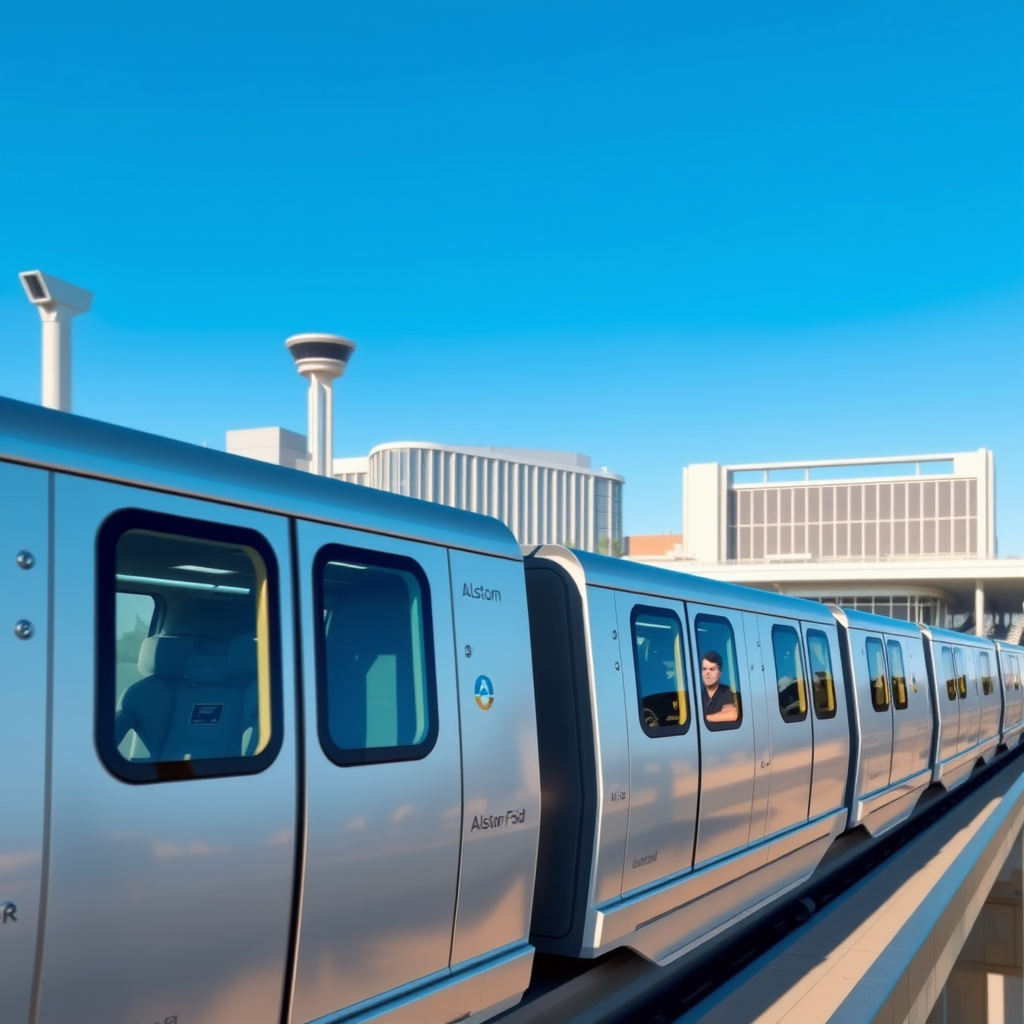
This article explores the significant upgrade project undertaken by Alstom at Harry Reid International Airport (LAS) in Las Vegas, focusing on the modernization of its Automated People Mover (APM) system. The project encompasses a comprehensive overhaul, including the delivery of new vehicles, the enhancement of signaling and telecommunications infrastructure, and the implementation of robust cybersecurity measures. This upgrade is not merely a technological refresh but a strategic investment aimed at improving operational efficiency, enhancing passenger experience, and bolstering the airport’s overall sustainability profile. The LAS APM system, originally installed in phases starting in 1985, represents a substantial component of the airport’s passenger transport infrastructure. Therefore, its modernization is crucial for maintaining and improving the airport’s operational effectiveness in the face of increasing passenger numbers and evolving technological standards. The project serves as a case study in the ongoing evolution of APM technology within the broader context of airport infrastructure development.
Modernizing the Airport’s Automated People Mover System
Alstom, a leading global player in the railway and transportation industry, secured an $84 million contract from the Clark County Department of Aviation to modernize the LAS APM system. This significant investment highlights the growing importance of efficient and reliable people mover systems in large-scale airport operations. The core of the project involves the deployment of ten new Innovia APM R vehicles. These state-of-the-art vehicles incorporate advanced features designed for improved energy efficiency, enhanced passenger comfort, and increased operational safety. The lighter aluminum frame contributes to both sustainability and safety, while the design prioritizes accessibility for all passengers.
Signal System and Cybersecurity Enhancements
Beyond the new rolling stock, the project includes crucial upgrades to the airport’s signaling and communications systems. The existing Urbalis Flo signaling system will undergo a comprehensive modernization, ensuring improved reliability, increased capacity, and enhanced safety features. The implementation of a system-level cybersecurity solution is particularly noteworthy, given the growing threat of cyberattacks targeting critical infrastructure. This upgrade is crucial for safeguarding the integrity and availability of the entire APM system, preventing potential disruptions to airport operations.
Centralized Control System Upgrade and Telecommunications Infrastructure
The modernization extends to the central control systems of the APM network. The existing Central Control ATS (Automatic Train Supervision) system will be replaced with Alstom’s Ebi Screen 2000 solution. This upgrade offers a significant improvement in system monitoring, control, and diagnostics, enhancing the overall efficiency and responsiveness of the APM operations. Simultaneously, the project incorporates upgrades to the APM’s telecommunications infrastructure, ensuring seamless communication between the vehicles, control centers, and other airport systems. These integrated upgrades enhance situational awareness, leading to faster response times and improved passenger information services.
A Case Study in Sustainable and Efficient Airport Infrastructure
The LAS APM upgrade exemplifies the ongoing trend of modernization and sustainability in the airport sector. Alstom’s commitment to delivering energy-efficient vehicles, coupled with system-wide upgrades to improve operational reliability, showcases a forward-looking approach. The project extends beyond mere technological advancements; it highlights a concerted effort towards improved passenger experience, environmental responsibility, and operational efficiency. The adoption of lightweight aluminum vehicle frames, alongside enhanced energy efficiency features, contributes directly to the airport’s sustainability goals. Improved efficiency also translates into cost savings over the long term, thereby contributing to the overall financial health of the airport’s operations.
Conclusions
The Alstom upgrade at Harry Reid International Airport represents a significant investment in modernizing a crucial element of airport infrastructure: the Automated People Mover (APM) system. The project’s scope is comprehensive, incorporating the delivery of ten new Innovia APM R vehicles, which offer substantial gains in energy efficiency, safety, and passenger comfort. Moreover, the upgrades to the Urbalis Flo signaling system, the implementation of a robust cybersecurity solution, and the replacement of the Central Control ATS system with the Ebi Screen 2000 solution represent a transformative leap in operational efficiency and reliability. The integrated approach, addressing both rolling stock and system infrastructure, points to a holistic strategy in improving airport transportation. The success of this project at LAS will undoubtedly serve as a model for similar upgrades at other airports globally, highlighting the importance of proactive maintenance and modernization in maintaining the operational efficiency and sustainability of large-scale transportation systems. The focus on sustainability, through the use of lighter and more energy-efficient vehicles and improved system controls, also showcases a commitment to environmentally responsible practices within the aviation industry. This modernization is not merely a replacement of aging technology but a significant investment in the future of Las Vegas’s aviation infrastructure, promising smoother, safer, and more sustainable passenger transit for years to come. The project’s success will rely on seamless integration of the new technologies and thorough training of airport personnel, and ongoing monitoring will be crucial to ensure the long-term effectiveness of this substantial upgrade.
RELATED POSTS
October 21, 2025 9:54 pm
RIA proposes Station Investment Zones around UK railway stations. This...
June 21, 2025 1:49 am
Michigan City's new 11th Street Station, part of the Double...

October 18, 2021 10:37 am
This article examines the modernization efforts of Calea Ferată din...

November 14, 2025 1:54 am
BNSF Railway responds to Union Pacific's comments on the Norfolk...

April 8, 2025 12:40 am
This article explores the significant modernization of Egypt’s railway infrastructure...

May 19, 2025 12:09 pm
Seattle, US – May 12, 2025 Amtrak, the National Railroad...