
Santiago Metro Line 8: Systra Subterra’s Engineering Triumph
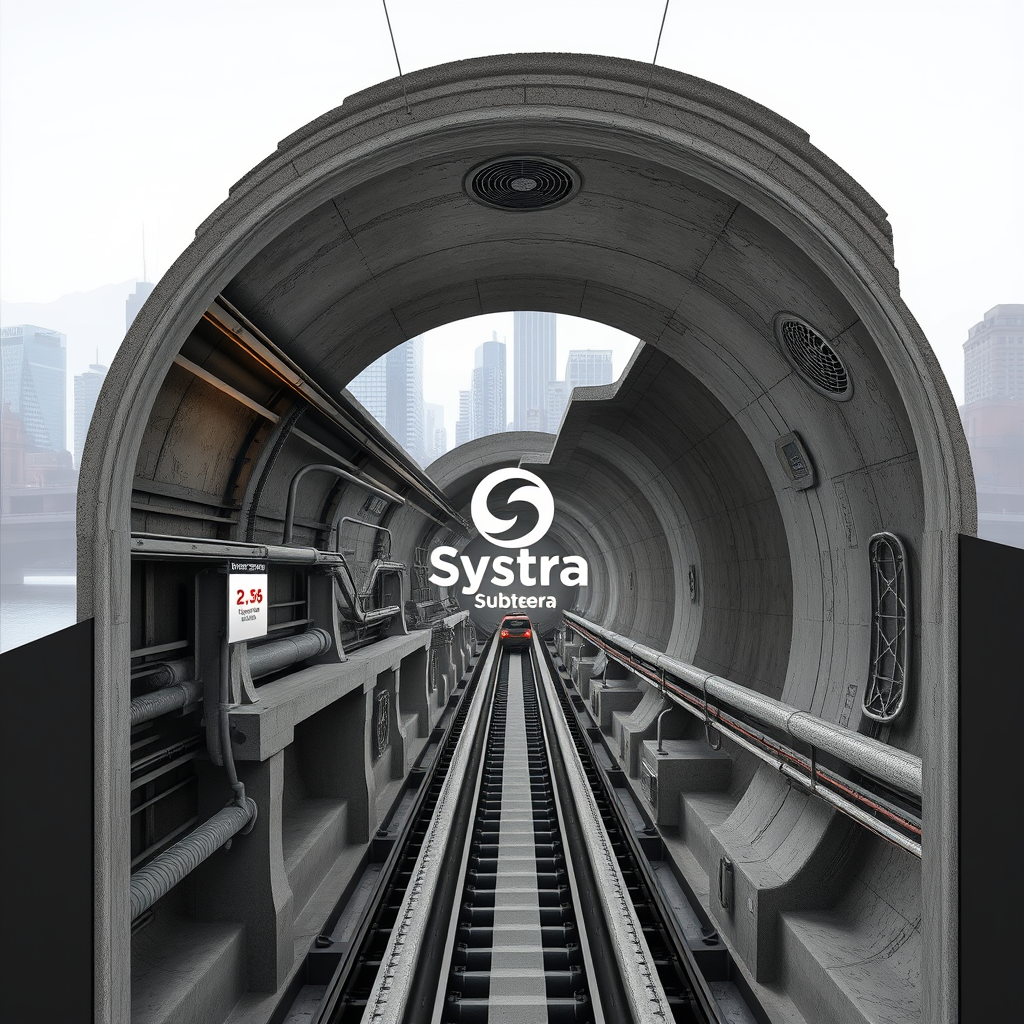
This article explores the significant contribution of Systra Subterra to the expansion of Santiago’s Metro system, specifically focusing on their role in the design and engineering of Line 8, Section 2. The project highlights the complexities of urban rail infrastructure development, encompassing detailed design, civil engineering, and the integration of sophisticated systems for optimal performance and safety. We will examine the scope of Systra Subterra’s involvement, the technological challenges presented by the project, and the broader implications for Santiago’s transportation network and Systra’s global presence in the rail industry. The expansion of Santiago’s metro system is a crucial undertaking aimed at addressing the city’s growing transportation needs, improving connectivity between its diverse districts, and significantly enhancing the quality of life for its residents. This case study provides valuable insights into the multifaceted nature of large-scale urban rail projects and the expertise required for their successful execution. The article will also briefly touch upon Systra’s recent acquisitions and other international projects, demonstrating their expanding influence within the global railway engineering sector.
Systra Subterra’s Role in Santiago Metro Line 8
Systra Subterra, a leading engineering and consulting firm specializing in underground infrastructure, has been awarded the contract for the detailed design and civil works for Section 2 of Santiago’s Line 8. This 4.3km section, running entirely underground, connects the Chile España and Los Leones stations. The project’s scope is extensive, encompassing the design of shafts crucial for tunnel construction and ventilation. This includes detailed engineering for tunnel excavation and construction methodologies, incorporating best practices for safety and efficiency. Furthermore, the design encompasses the development of connecting galleries between various tunnel sections, ensuring a seamless and functional underground network.
Engineering Challenges and Solutions
The design of Line 8, Section 2, presents significant engineering challenges. The construction of shafts requires meticulous planning to minimize disruption to the existing urban fabric and surrounding infrastructure. The selection of appropriate tunnel boring machines (TBMs) and excavation techniques must consider the geological conditions encountered along the alignment. Furthermore, the design of ventilation systems is critical to ensuring passenger comfort and safety within the tunnels. Effective integration of these systems with the overall tunnel design requires careful consideration of airflow dynamics and emergency ventilation requirements. The precise engineering of connecting galleries necessitates accurate surveying and geotechnical analysis to ensure structural stability and optimal alignment.
Impact on Santiago’s Transportation Network
Line 8’s completion will significantly benefit the residents of Santiago. The new line will serve six municipalities, impacting nearly two million people. A projected 60% reduction in travel times will alleviate traffic congestion, improve commute times, and enhance overall urban mobility. This improved accessibility will stimulate economic activity and improve the quality of life for the city’s inhabitants. The integration of Line 8 into the existing Santiago Metro network will create a more robust and efficient public transportation system, encouraging a shift from private vehicles to sustainable public transport.
Systra Subterra’s Broader Strategic Positioning
The Santiago Metro Line 8 project represents a significant win for Systra Subterra, underscoring their expertise in complex underground infrastructure projects. This project builds upon Systra’s long-standing relationship with Santiago’s Metro, dating back to the initial planning stages in 1968. Their recent acquisition of Rail Systems Australia and the award of a tram system design contract in Saudi Arabia further demonstrate their strategic expansion and global reach in the rail sector. These diverse projects highlight Systra’s capacity to adapt its expertise to various geographical contexts and project requirements, consolidating its position as a leading player in the global railway engineering and consulting market.
Conclusion
The Systra Subterra contract for the design and civil works of Santiago Metro Line 8, Section 2, showcases the intricate complexities and far-reaching impact of large-scale urban rail projects. The project’s scope, encompassing detailed shaft and tunnel design, ventilation system planning, and the creation of connecting galleries, demands high levels of engineering expertise and careful consideration of safety and efficiency. The successful completion of this section will significantly improve Santiago’s transportation network, benefiting nearly two million residents with reduced travel times and enhanced accessibility. Moreover, this project underscores Systra Subterra’s established reputation in the field and highlights their strategic growth within the global railway engineering landscape. Their ongoing involvement in major international projects, coupled with recent acquisitions, positions them as a key player in shaping the future of sustainable and efficient urban transit systems worldwide. The meticulous planning and engineering involved in projects such as Line 8 are critical for ensuring the long-term success and viability of modern urban centers, highlighting the vital role of companies like Systra Subterra in meeting the growing demands for efficient and reliable public transportation.
RELATED POSTS
July 25, 2025 12:33 am
Hitachi Rail partners with SYMCA for 15 years to modernize...

September 13, 2023 11:45 am
The European rail network, despite aspirations for a unified “Single...

October 14, 2014 8:20 am
Siemens has received an order from the Paris transit authority...

December 10, 2025 8:41 pm
Granite Construction secures a $24M contract for a crucial Metrolink...

Russian rail operator Aeroexpress has signed a €685m contract with...
March 1, 2023 9:28 pm
Securing Sustainable Public Transportation: Arriva’s New Contract in the Netherlands...