
$1B for US Intercity Rail: Modernization & Equity

The United States is experiencing a significant investment in its intercity passenger rail infrastructure, fueled by the Biden-Harris administration’s commitment to modernizing the nation’s transportation network. This article delves into the recent allocation of $1 billion in funding from the US Department of Transportation (DoT) through the Federal Railroad Administration (FRA), focusing on its potential impact on various aspects of the rail system. This injection of capital represents a further step towards the administration’s ambitious $8.2 billion plan aimed at enhancing high-speed and intercity rail services nationwide. The funding’s significance extends beyond mere financial investment; it signifies a renewed focus on addressing infrastructure deficiencies, mitigating congestion, and improving accessibility for underserved communities. We will examine the potential project scope, the strategic implications of this funding, and its potential influence on future rail development in the United States.
Expanding Intercity Rail Networks
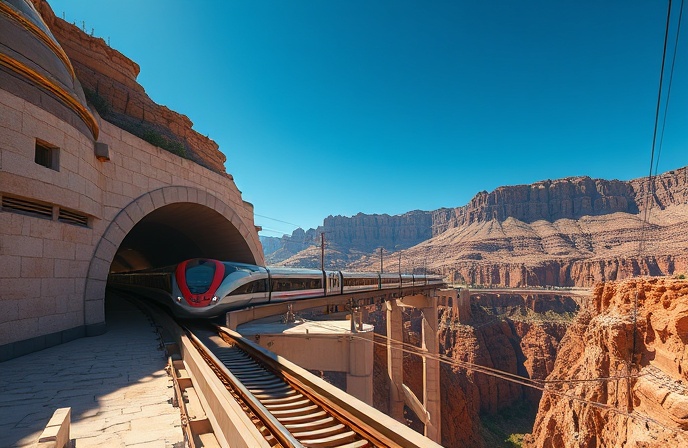
The $1 billion allocation specifically targets projects outside the densely populated Northeast Corridor, signaling a deliberate effort to address the infrastructure needs of other regions. This targeted approach recognizes the varying levels of rail development across the country and aims to foster more balanced growth. Eligible projects encompass a broad spectrum of improvements, including the construction of new lines, upgrades to existing railroads, and the rehabilitation of previously disused infrastructure. This holistic approach acknowledges that modernizing the rail network isn’t solely about building new lines, but also about optimizing existing assets and making efficient use of underutilized resources. This commitment to revitalizing existing infrastructure, potentially including track upgrades, signaling enhancements, and station renovations, is vital for maximizing the return on investment and creating a more robust and reliable rail system.
Strategic Infrastructure Investments
The funding’s strategic importance extends beyond simply repairing or expanding rail lines. Projects focused on planning and infrastructure surrounding the railway environment are also eligible for funding. This encompasses crucial elements such as improved station accessibility, enhanced safety features, integration with other modes of transportation, and the implementation of advanced Intelligent Transportation Systems (ITS). The incorporation of ITS promises to improve efficiency and safety through technologies like centralized train control systems and real-time monitoring capabilities. This broader approach to infrastructure development ensures a more cohesive and user-friendly transportation system.
Addressing Underserved Regions and Promoting Equity
A key aspect of this funding initiative is its emphasis on addressing the needs of underserved communities. The DoT and FRA explicitly highlight the goal of expanding access to reliable transportation options for individuals in these regions. By strategically investing in rail infrastructure in these areas, the administration aims to reduce transportation disparities and enhance economic opportunities. Improved rail connectivity can stimulate economic growth by facilitating easier access to jobs, education, and healthcare, thus promoting greater equity in access to essential services.
Collaboration and Stakeholder Engagement
The success of this ambitious rail infrastructure program hinges on effective collaboration between federal, state, and local governments, as well as private sector partners and tribal stakeholders. The FRA’s commitment to engaging with these diverse groups emphasizes a collaborative approach to planning and implementation. This inclusive approach ensures that projects are tailored to local needs and priorities, maximizing their impact and ensuring community buy-in. Effective stakeholder engagement is crucial for overcoming potential challenges and fostering a shared vision for the future of rail transportation in the United States.
Conclusion
The recent release of $1 billion in federal funding for intercity passenger rail projects represents a significant step towards the Biden-Harris administration’s broader goal of modernizing the nation’s rail infrastructure. This investment goes beyond simply building new lines; it encompasses the rehabilitation of existing infrastructure, the implementation of Intelligent Transportation Systems (ITS), and a commitment to serving underserved communities. The strategic focus on areas outside the Northeast Corridor acknowledges regional disparities and aims to promote balanced development nationwide. The emphasis on collaboration with state, tribal, and private stakeholders underscores a commitment to inclusive planning and implementation. This initiative’s success will depend not only on the efficient allocation of funds but also on the effective integration of advanced technologies, the thoughtful consideration of community needs, and the sustained commitment to equitable access to reliable and efficient rail transportation. The long-term impact of this funding will be far-reaching, potentially reshaping America’s rail network and laying a solid foundation for future growth and improved connectivity across the nation. The success of this ambitious undertaking will depend critically on continued federal investment, effective project management, and a sustained commitment to collaborative partnerships.
RELATED POSTS
Systra boosts its global presence! The **railway** infrastructure specialist acquires...

August 21, 2015 6:11 pm
South Korean companies are seeking to tap the newly opened...
November 30, 2018 11:11 am
Alstom and Nederlandse Spoorwegen (NS), national railway operator in the...

May 24, 2017 5:08 am
Rutherford Station is getting a $1.5 million upgrade, funded by...
November 25, 2016 2:52 pm
"Valencia's port is boosting capacity and safety with a €22...
November 10, 2020 2:22 pm
This article delves into the significant A$693 million ($505.45 million...