
$153M Rail Boost: US Intercity Rail Revival
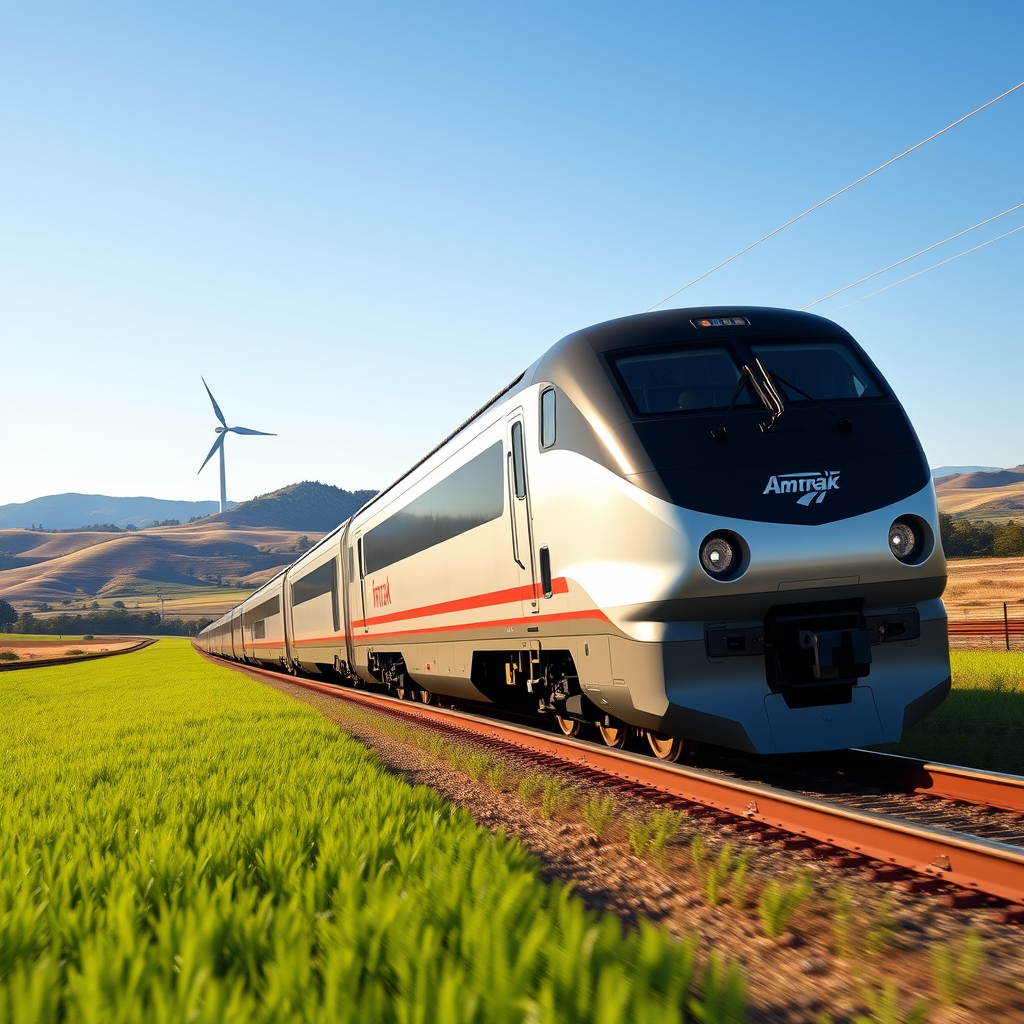
The United States is experiencing a resurgence of interest in intercity rail travel, driven by a combination of factors including a renewed focus on sustainable transportation, increased awareness of climate change, and significant federal investment. This article explores the recent $153 million in funding allocated by the Federal Railroad Administration (FRA) to bolster intercity rail services across the nation. This injection of capital, facilitated by the Bipartisan Infrastructure Law (BIL) of 2021, represents a crucial step towards modernizing and expanding the nation’s passenger rail network. We will delve into the implications of this funding, examining its potential impact on existing services, the creation of new routes, and the broader implications for the future of intercity passenger rail in the United States. The analysis will consider the role of technology, the importance of interconnectivity, and the socio-economic benefits associated with increased rail infrastructure development.
The Bipartisan Infrastructure Law and its Impact on Rail
The BIL has fundamentally altered the landscape of US infrastructure investment, allocating tens of billions of dollars towards various projects, including a significant portion dedicated to rail improvements. This substantial funding has enabled the FRA to launch and expand several grant programs aimed at enhancing intercity rail services. The Restoration and Enhancement (R&E) grant program, in particular, plays a crucial role in this initiative. The recent $153 million allocation to the R&E program is the first since the program received a significant boost from the BIL, demonstrating the continued commitment to modernizing and expanding the nation’s intercity rail network. This funding allows for applications to establish new routes, restore discontinued services, and upgrade existing infrastructure to improve passenger experience and safety.
The Role of the FRA’s R&E Grant Program
The FRA’s R&E Grant program serves as a vital mechanism for distributing federal funding to intercity rail projects. This program specifically targets projects seeking to: establish new intercity passenger rail services on previously unserved routes; restore discontinued intercity passenger rail services on previously served routes; and enhance existing intercity passenger rail services. The program’s focus on restoration signifies a recognition of the historical underinvestment in rail infrastructure and a commitment to rectifying past shortcomings. The emphasis on enhancement speaks to the need to modernize existing services, improving efficiency, passenger comfort, and overall service quality. The program’s success hinges on effective project selection, rigorous oversight, and the ability to leverage private sector investment to maximize the impact of public funds.
Expanding Intercity Rail: Challenges and Opportunities
Despite the considerable investment, the expansion of intercity rail faces several challenges. These include securing rights-of-way, navigating complex environmental regulations, and addressing potential community opposition to new rail lines. Furthermore, coordinating with multiple stakeholders, including state and local governments, private companies, and freight rail operators, is essential for project success. However, the opportunities presented by expanded intercity rail are significant. Improved connectivity between cities will boost economic development, reduce reliance on automobiles, and lessen the environmental impact of transportation. Enhanced passenger experiences, through improved infrastructure and service frequency, will increase ridership and make rail a more attractive transportation option for a wider range of travelers.
Amtrak’s Expanding Role and Future Prospects
Amtrak, the national passenger rail operator, plays a central role in the expansion of intercity rail services. The recent success of the Chicago-Minneapolis line, which exceeded ridership expectations, demonstrates the growing demand for high-quality intercity rail. Amtrak’s projections of record-breaking ridership in 2024 further underscore this trend. However, Amtrak’s success hinges on continued investment in infrastructure, improved service frequency, and enhanced passenger experience. Close collaboration with the FRA and state transportation agencies is crucial to ensure the efficient and effective allocation of resources and the sustained growth of intercity passenger rail services throughout the United States.
Conclusion
The $153 million investment by the FRA in the R&E grant program, fueled by the Bipartisan Infrastructure Law, marks a significant step towards revitalizing intercity passenger rail in the United States. This funding provides crucial resources for establishing new routes, restoring former services, and enhancing existing infrastructure. The program’s success relies on careful planning, efficient project management, and strong collaboration among various stakeholders. The recent successes experienced by Amtrak, particularly with the Chicago-Minneapolis line, highlight the growing demand for reliable and efficient intercity rail services. However, long-term success will depend on overcoming challenges such as securing rights-of-way, navigating environmental regulations, and ensuring cost-effective project implementation. The future of intercity rail in the US is promising, offering the potential for enhanced connectivity, economic growth, and a more sustainable transportation system. Continued investment, effective planning, and a commitment to collaboration are essential to realize the full potential of this crucial mode of transportation. The success of initiatives like the R&E program underscores a nationwide shift toward prioritizing rail as a key component of a modern, efficient, and environmentally responsible transportation network. The continued monitoring of ridership numbers, combined with adaptive project management, will be critical to ensuring the sustainability and long-term success of these investments. The FRA’s commitment, as evidenced by the R&E program and other initiatives, demonstrates a national commitment to investing in a future where rail plays a more prominent role in connecting communities and fostering economic growth.
RELATED POSTS
March 11, 2025 5:13 pm
Hanoi Metro Line 3 Extension: A Case Study in Modern...

January 31, 2021 8:55 am
This article explores a significant undertaking in UK railway infrastructure:...

November 8, 2009 1:06 pm
The Canadian city of Calgary has awarded a $648m (C$700m)...
April 25, 2022 9:22 am
This article explores the significant contract awarded to Alstom for...
November 24, 2021 11:08 pm
This article examines the strategic divestment of Bombardier Transportation’s remaining...
January 15, 2026 4:39 pm
Leo Express launches a new, unsubsidized rail service from Frankfurt...